Cars are changing fast. They are no longer just machines that take us from one place to another. Today’s cars, especially electric vehicles (EVs), are becoming digital spaces filled with screens, software, and smart features. The dashboard, once made of buttons and meters, is now turning into a large digital display.
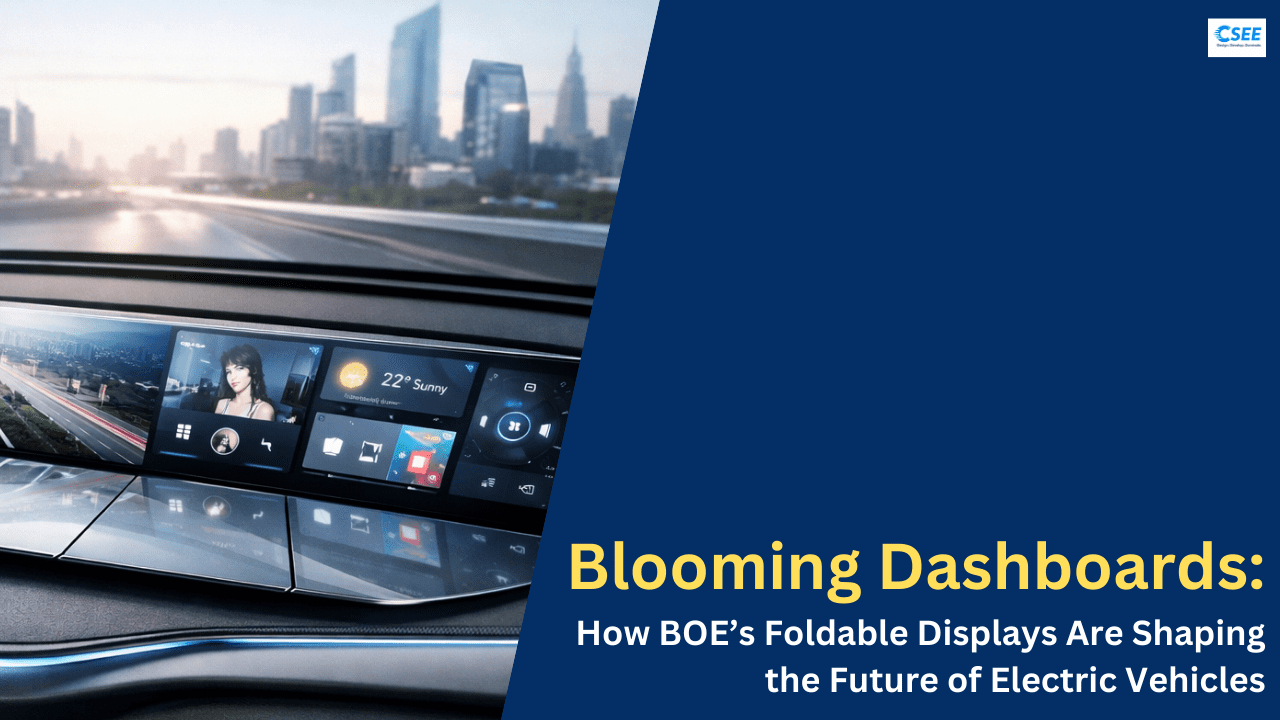
One of the most exciting new ideas in this space comes from BOE, a Chinese technology company known for making advanced screens. BOE has developed foldable and flexible displays for electric vehicles. These screens do something unusual — when the car starts, they unfold like flowers, and then smoothly lie flat across the front panel. The result is a clean, futuristic, and interactive dashboard.
This innovation is not just about looks. It shows how car interiors may work in the future — adaptive, smart, and focused on the driver and passengers. This article explains BOE’s technology, why it matters, how it works, and what it means for the future of electric vehicles.
Who Is BOE?
BOE (Beijing Oriental Electronics Technology Group) is one of the world’s largest display makers. Many people may not know the name, but BOE already supplies screens for smartphones, TVs, laptops, tablets, and car displays used by global brands.
Over the years, BOE has invested heavily in:
- OLED displays
- Flexible and foldable screens
- High-resolution automotive panels
With these technologies, BOE is moving beyond flat screens and into displays that can bend, fold, and change shape. The automotive industry is a perfect place to use this technology because cars are becoming more digital every year.
The Idea: A Dashboard That Unfolds Like a Flower
The most eye-catching part of BOE’s concept is how the screen moves.
What Happens When the Car Starts?
- When the car is off, the display stays folded or hidden.
- When the car starts, the flexible screen slowly unfolds, like petals opening.
- After unfolding, the screen lies flat across the dashboard.
- The dashboard becomes one smooth, wide display surface.
This movement makes the car feel alive and responsive. Starting the car becomes an experience, not just a button press.
Why This Makes Sense for Electric Vehicles
Electric vehicles are ideal for this kind of design.
1. More Design Freedom
EVs do not need large engines or complex mechanical parts under the dashboard. This gives designers more space to experiment with new layouts.
2. Software-First Cars
EVs rely heavily on software for:
- Navigation
- Battery information
- Driving modes
- Entertainment
Flexible displays fit perfectly into this software-driven design.
3. Future-Focused Buyers
EV buyers often expect advanced technology. A moving, foldable dashboard matches that expectation and reinforces the idea that EVs are the future.
Key Benefits of Foldable Dashboards
1. Clean and Minimal Interior
When screens are folded away, the dashboard looks simple and uncluttered. This creates a calm and modern cabin.
2. Better Use of Space
Instead of multiple fixed screens, one flexible display can do many jobs. This saves space and reduces hardware complexity.
3. Less Distraction While Driving
The display can show only important information while driving and hide extra details. This helps drivers stay focused on the road.
4. Personalization
The screen layout can change based on:
- Driver preference
- Driving conditions
- Whether the car is parked or moving
A Better User Experience
BOE’s innovation is not just about hardware — it’s about how people feel inside the car.
Emotional Impact
The unfolding motion adds emotion and excitement. Just like a phone’s startup animation, it creates a premium and high-tech feel.
Adaptive Information
The display can change size and shape:
- Large navigation maps on highways
- Smaller displays in city traffic
- Entertainment screens when parked
Accessibility
Text size, brightness, and layout can adjust for different users, making driving easier for elderly users or those with vision issues.
How This Is Different from Today’s Dashboards
Today’s Dashboards
Most cars today use:
- One digital instrument cluster
- One center touchscreen
- Sometimes a passenger display
All of these are fixed and always visible.
BOE’s Dashboard
BOE replaces this with:
- One flexible display surface
- Physical movement, not just digital change
- Context-aware visibility
This makes the dashboard smarter and more flexible.
Engineering Challenges
This technology is exciting, but it is not easy to build.
1. Durability
Car interiors face heat, cold, sunlight, and vibration. Flexible screens must last many years without damage.
2. Moving Parts
The folding mechanism must work thousands of times without failure.
3. Cost
Flexible OLED displays are more expensive than normal screens. Early versions will likely appear in premium EVs first.
4. Safety
The display must meet strict safety rules, especially in case of accidents.
Why China Is Leading This Innovation
China is a global leader in electric vehicles and display manufacturing.
Key reasons include:
- A large domestic EV market
- Strong government and industry support
- Fast innovation cycles
- Close cooperation between tech companies and automakers
BOE benefits from being part of this ecosystem.
More Uses Beyond the Main Dashboard
Flexible displays could be used in other parts of the car.
- Passenger screens that appear only when needed
- Rear-seat entertainment displays
- Ambient displays showing weather, notifications, or battery status
Impact on Car Brands
In the future, dashboards will be part of a car’s identity.
A unique unfolding screen can:
- Make a brand stand out
- Create a signature startup experience
- Show technological leadership
BOE’s displays give automakers a new way to differentiate themselves.
Comparison with Tesla and European Brands
- Tesla focuses on large, flat, fixed screens.
- European luxury brands focus on curved and high-resolution displays.
BOE goes one step further by adding physical movement to the display.
Software Is Critical
Great hardware needs great software.
For this technology to succeed:
- Animations must be smooth
- Interfaces must stay simple
- Response time must be fast
Bad software could make the experience distracting instead of helpful.
Environmental Angle
Flexible displays may also support sustainability:
- Fewer separate screens
- Efficient OLED technology
- Better use of materials
When Will We See This in Real Cars?
- Short term: Concept cars and demos
- Medium term: Premium electric vehicles
- Long term: Wider adoption in mass-market EVs
What This Means for Drivers
For drivers, this technology offers:
- Cleaner interiors
- Less distraction
- More personalization
- A stronger connection with the car
The car feels smarter and more human.
Cars as Living Spaces
As self-driving technology improves, people will spend more time inside cars doing other activities. Flexible displays support this shift by turning cars into:
- Entertainment spaces
- Workspaces
- Relaxing environments
Challenges Ahead
Some challenges still remain:
- Lowering cost
- Long-term reliability
- User acceptance
But the direction is clear.
Conclusion
BOE’s foldable and flexible displays show how car interiors are evolving. By creating screens that unfold like flowers and then lie flat across the dashboard, BOE is rethinking how we interact with vehicles.
This innovation is not just about style. It improves usability, saves space, reduces distraction, and opens the door to more personalized driving experiences. While challenges remain, this technology points clearly toward the future of electric vehicles.
In the coming years, starting a car may no longer be a simple action. It may become a moment — where the dashboard comes alive and welcomes you into the drive.
Thanks for reading.
Also, read:
- 5 Amazing Websites to Learn Arduino Without Physical Hardware!
- Automotive Engineers: Don’t Miss These 15 GitHub Repositories!
- 5 Budget-Friendly Boards to Start Your Embedded AI Journey
- 100+ Free Open-Source MCP Projects Every Automotive Engineer Should Know
- This AI Tool Can Reverse Engineer Almost Any Software!
- How Applied Materials Helps Make the World’s Most Advanced Chips
- Why Quantum Computers Could Break Today’s Cybersecurity
- Solid-State Batteries: Why Aren’t They in Every EV Yet?